About
Forty years of professional experience make for a rather long field test.
Over the years, we have seen projects take shape, accompanied their development and revisited them decades later. That is when you discover which decisions have stood the test of time and which only looked convincing on paper.
Frank Lloyd Wright once remarked that a physician can bury his mistakes, whereas an architect can only advise clients to plant vines. We would not put it quite so dramatically, but after several decades of practice you do develop a healthy respect for the long-term consequences of design decisions.
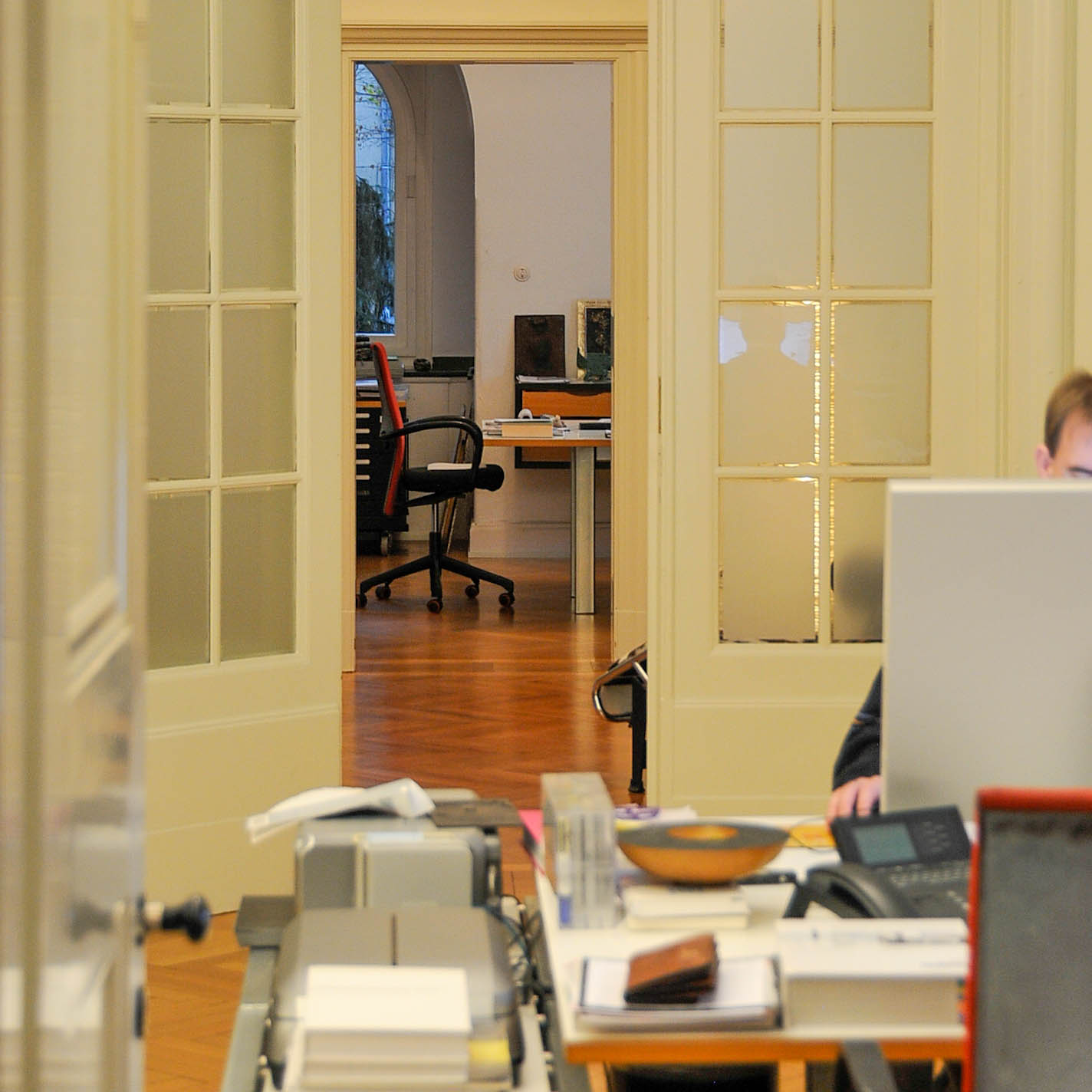
This also explains why Dieter Rams’ principle “Less, but better” continues to guide our work. Not every additional function improves a product. Not every technical innovation improves a space. And not every design idea improves architecture.
Many problems are solved not by adding more, but by taking things away.
Over the years we have developed a particular expertise in pharmacy design. In fact, we believe there is probably no other interior architect in the world with such an extensive portfolio of individually designed pharmacies. They demonstrate that we have never chosen the easy solution, but have always searched for the best one for each client. Yet what truly inspires us is the act of designing itself — regardless of the building type.
The People Behind Bürger Architektur
Architecture is never created by one person alone.
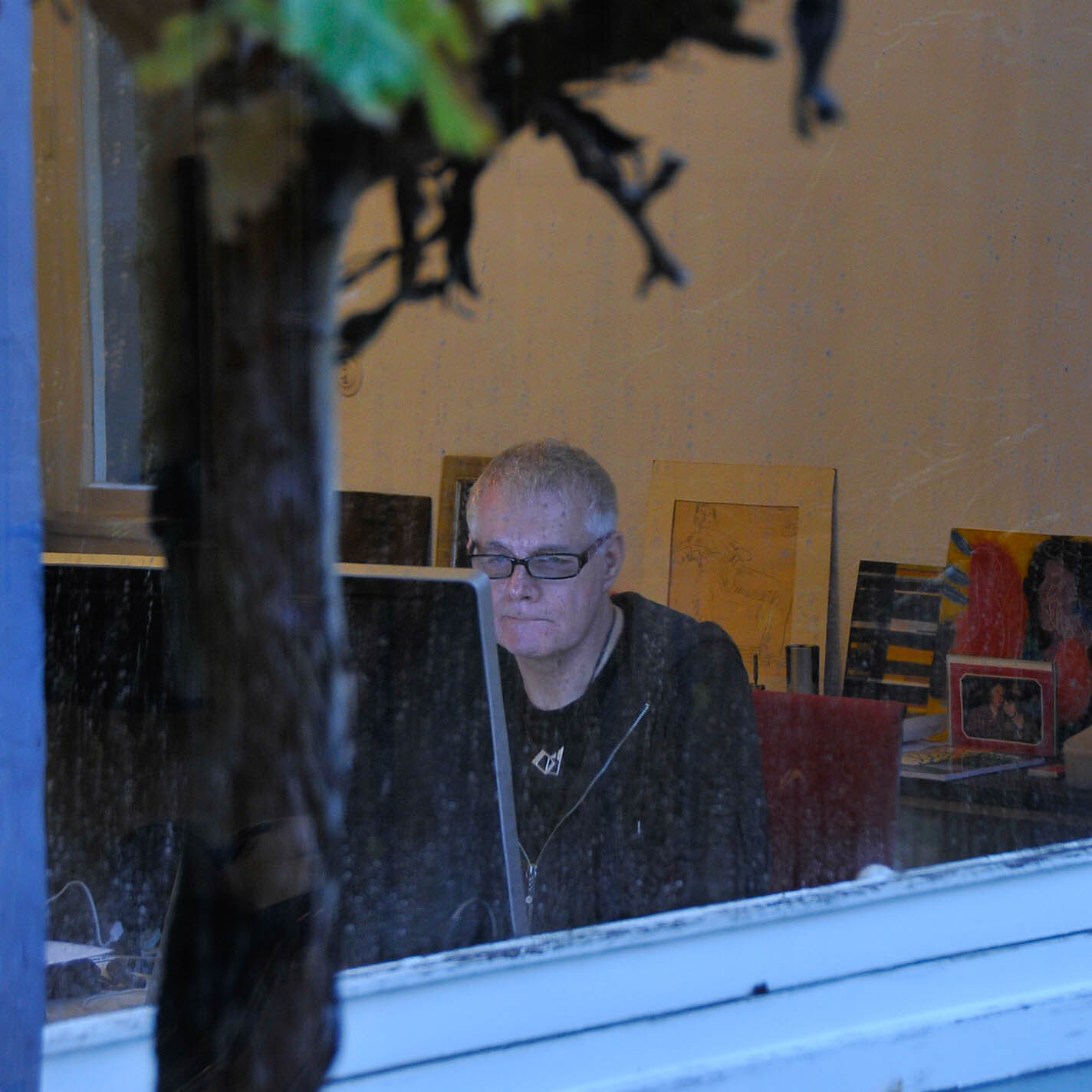
Our projects are the result of a team that has worked together in this constellation for many years. Klaus Bürger founded the practice in 1980. Marcel Franken joined during his university internship and has now been involved in our projects for more than twenty years. Martin Wehmöller has been strengthening the team for over fifteen years.
Looking at our careers, several similarities become apparent. All of us first trained and worked as cabinetmakers before studying architecture or interior architecture. We are also proud to have graduated among the top students of our respective years.
Our craft background continues to shape the way we think about architecture. Once you have learned to work with materials and construct things with your own hands, you inevitably see buildings differently. Computer renderings, after all, rarely collapse.
Another shared passion has accompanied us throughout the years: the humour of Loriot. Perhaps because his stories remind us that the truly interesting problems are rarely the obvious ones. More often than not, the devil is in the details.
Klaus continues to define the creative direction of the practice. His particular strength lies in qualities that are difficult to measure: colour, proportion, materiality and atmosphere.
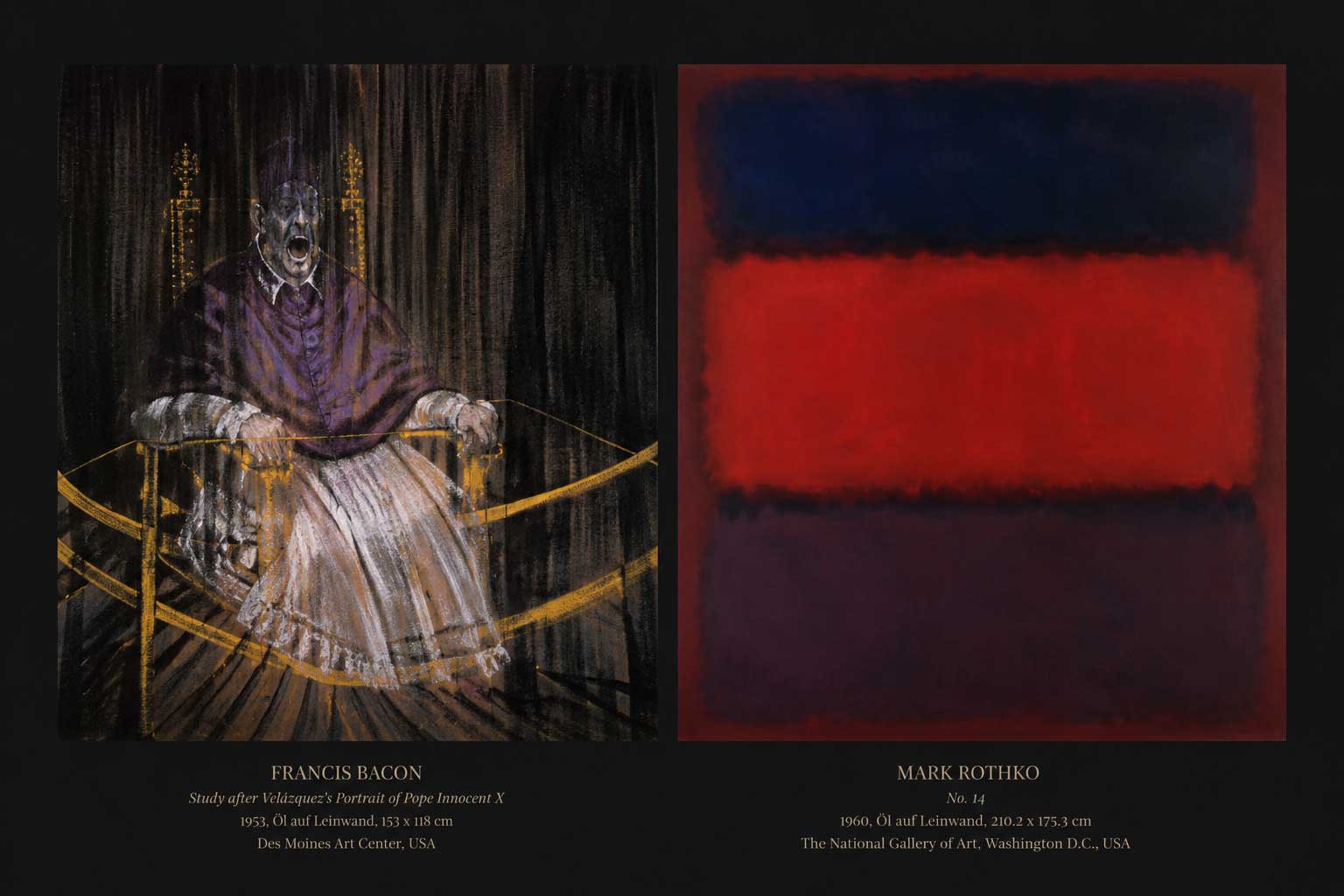
For many years he has admired artists such as Mark Rothko and Francis Bacon. At first glance their work could hardly be more different. Rothko represents the quiet power of colour and space, while Bacon embodies tension, vulnerability and raw expressive force.
This contrast helps explain many of our own projects. We certainly strive for perfection, but not in the sense of sterile uniformity. Spaces become interesting through the interaction of opposites: warm and cool, smooth and rough, order and vitality, calm and tension.
Marcel ensures that ideas become projects. Martin ensures that those projects work in every technical detail. Together we form a team that has complemented, challenged and developed one another over many years.
This is one of our greatest strengths. Many decisions no longer need lengthy discussions. We know each other’s strengths and weaknesses and sometimes even the other’s arguments before they are spoken.
National and International Awards
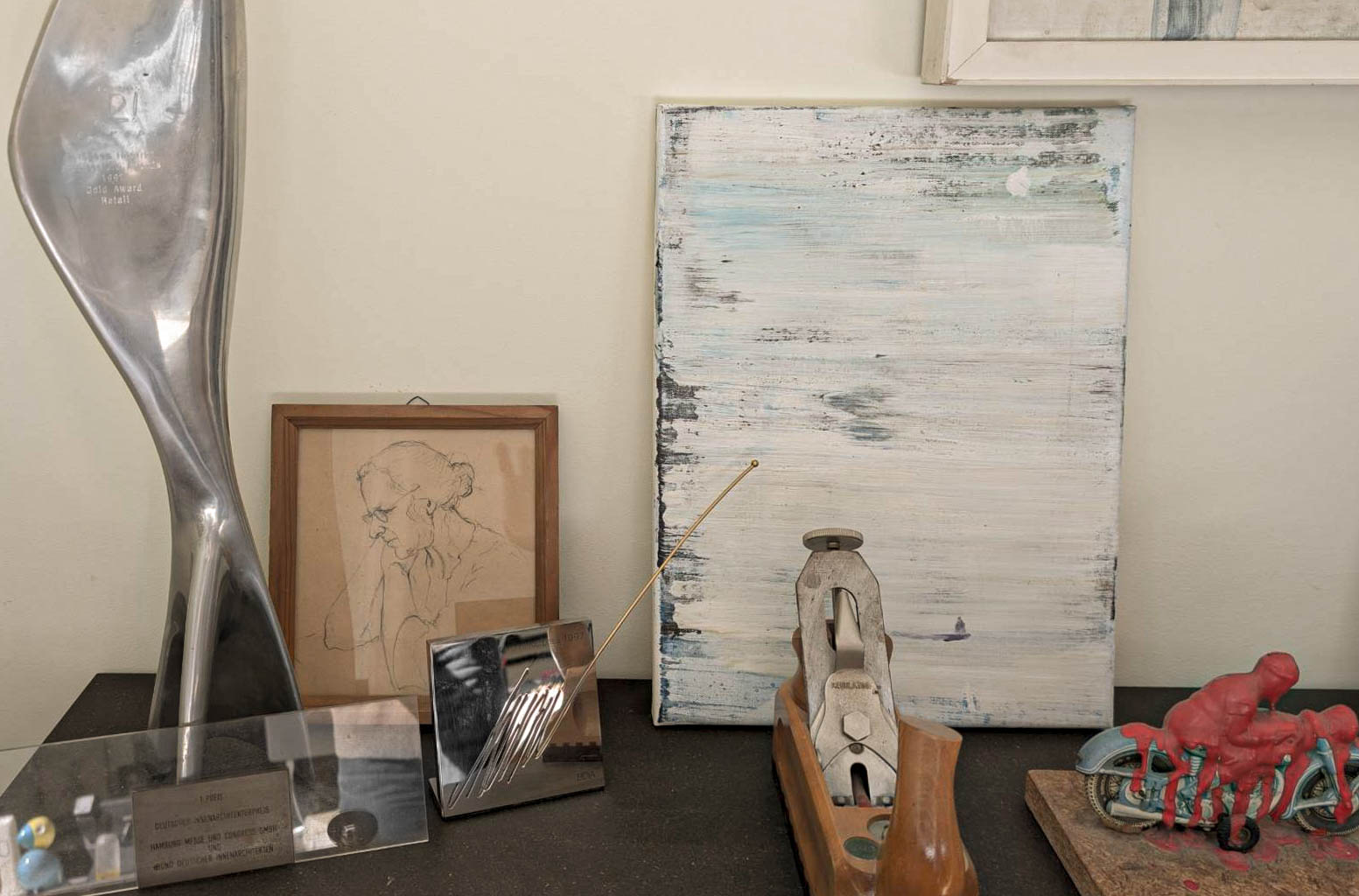
Over the past decades, our work has received numerous national and international architecture and design awards. We value these honours because they recognise the commitment invested by our clients, craftsmen, specialist consultants and our own practice.
Among the awards are:
- German Interior Architecture Award – First Prize
- European Interior Architecture Award – Gold Award
- German Design Award – Special Mention
- BUILD Architect of the Year
- Architectural Innovation Award – Winner Germany
- Best Pharmaceutical Interiors Company – Western Europe
- Best for Residential Architecture – North Rhine-Westphalia
as well as numerous other national and international distinctions.